
Jan 20, 2026

A Quick Summary
The Problem: Tenants were successfully creating opportunities on Platform Commons but were forced to use fragmented, third-party tools to manage volunteers, breaking the workflow and increasing their software costs.
The Process: Operating on a strict 4-week MVP deadline, I conducted targeted tenant research to ruthlessly prioritize essential features, designing a custom enterprise UI entirely from scratch.
The Result: "Collaborate" successfully integrated into the existing product suite, saving tenants time and money by providing a single source of truth for all volunteering activities.
The Problem: Fragmented Workflows & Ecosystem Leakage
Platform Commons excelled at helping tenants (NGOs and CSR teams) create and publish opportunities like events and internships. However, there was a critical gap in the post-publication journey.
Ecosystem Leakage
Tenants abandoned our platform for spreadsheets and third-party tools to manage their volunteers and participants from project creation to task distribution.
Increased Friction & Cost
This fragmented workflow forced tenants to manage data across multiple platforms, increasing their operational costs and administrative burden.
Broken User Journey
There was no unified system to track a volunteer's progress from their initial application all the way to task distribution to project completion.
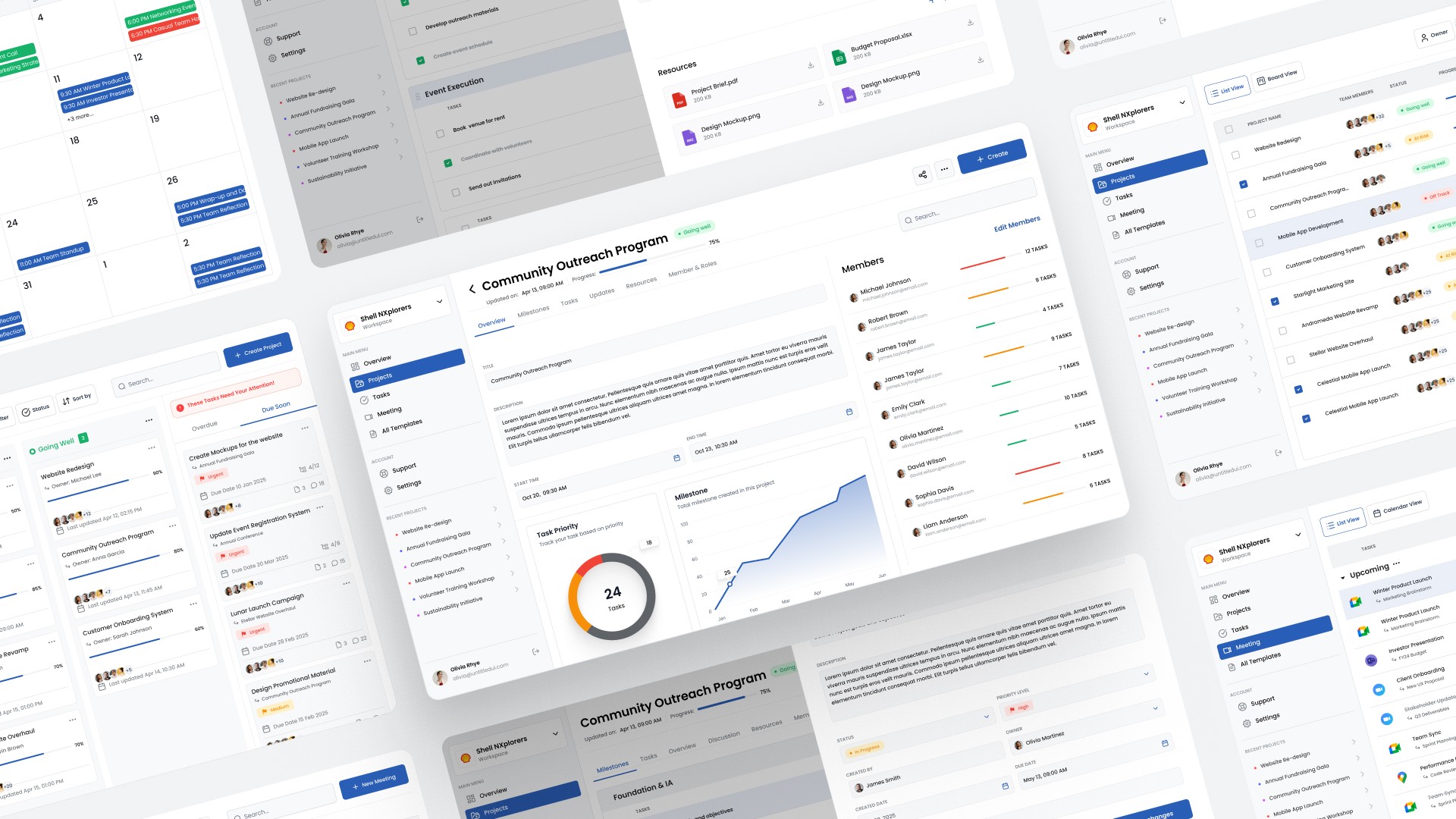
The Strategy & Execution
With a tight 4-week window from ideation to developer handoff, I could not rely on a pre-existing design system. I had to build a scalable, custom UI while strictly managing the product scope.
Targeted Discovery
Instead of guessing what a project management tool needed, I analyzed the exact pain points our tenants faced after publishing an opportunity. This allowed me to map out the critical path.
Scope Management
To hit the MVP deadline, I discarded "nice-to-have" features. I focused exclusively on the highest-value actions identified in research: task assignment, volunteer management & tracking etc...
Custom Architecture
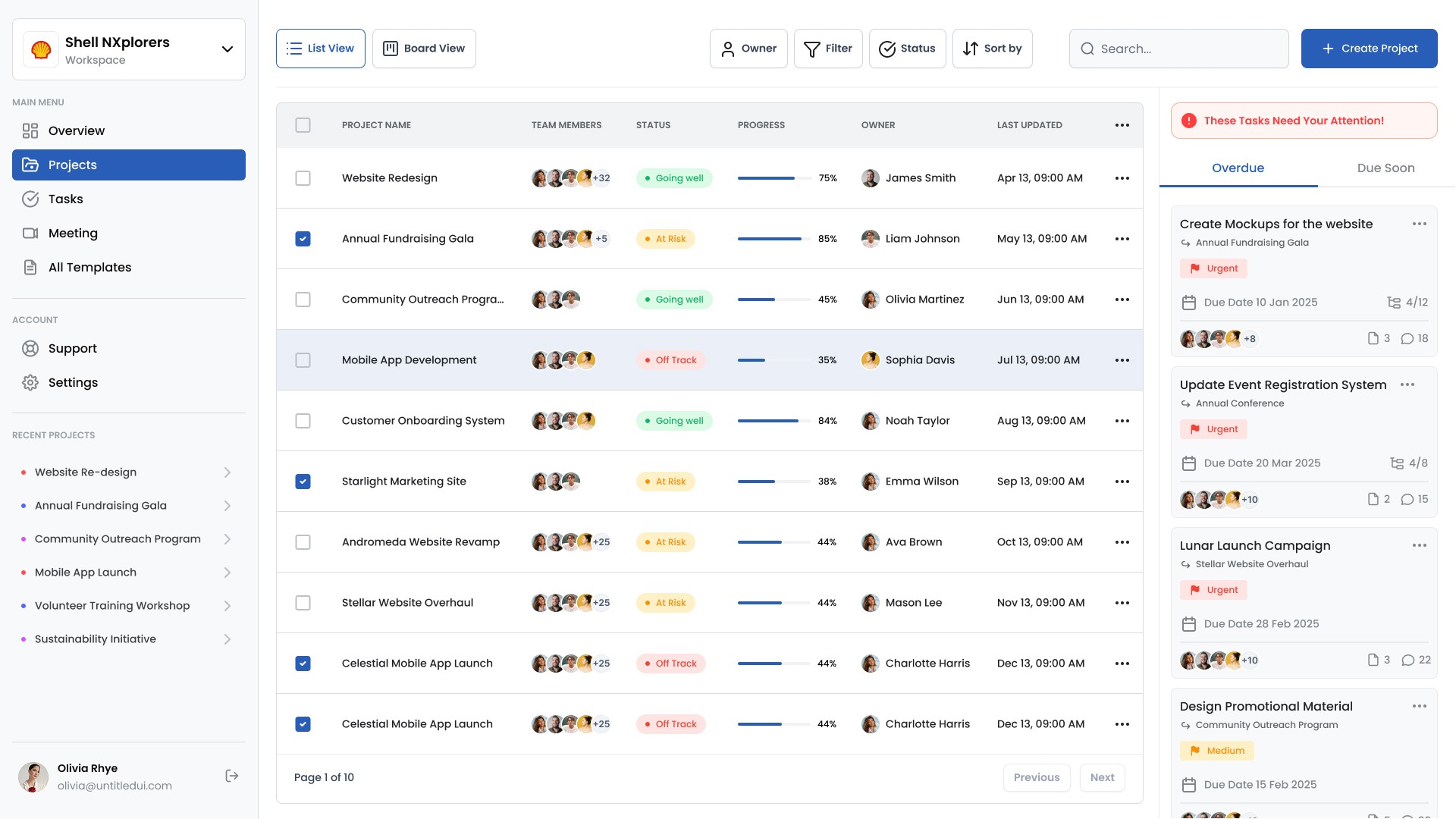
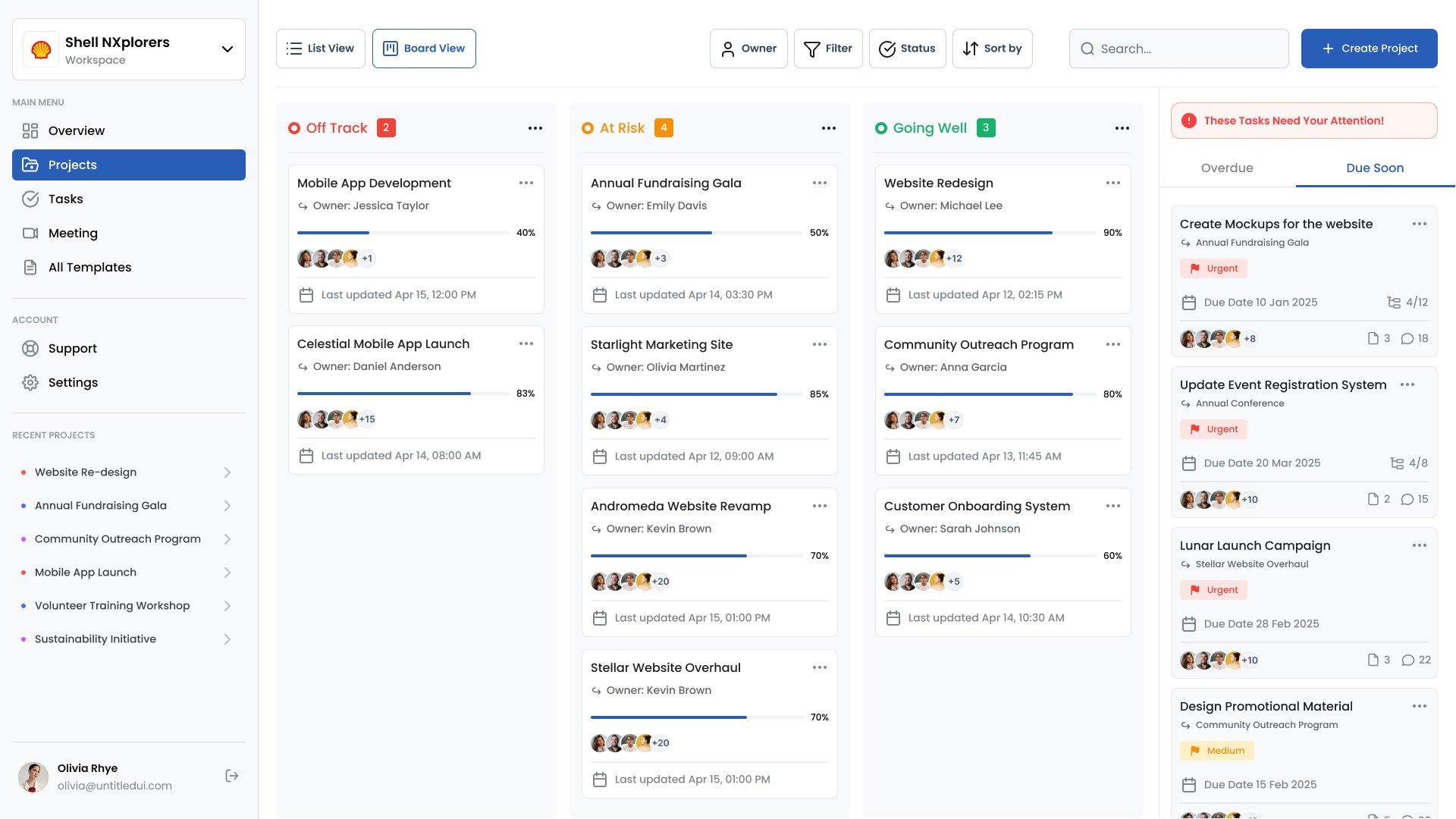
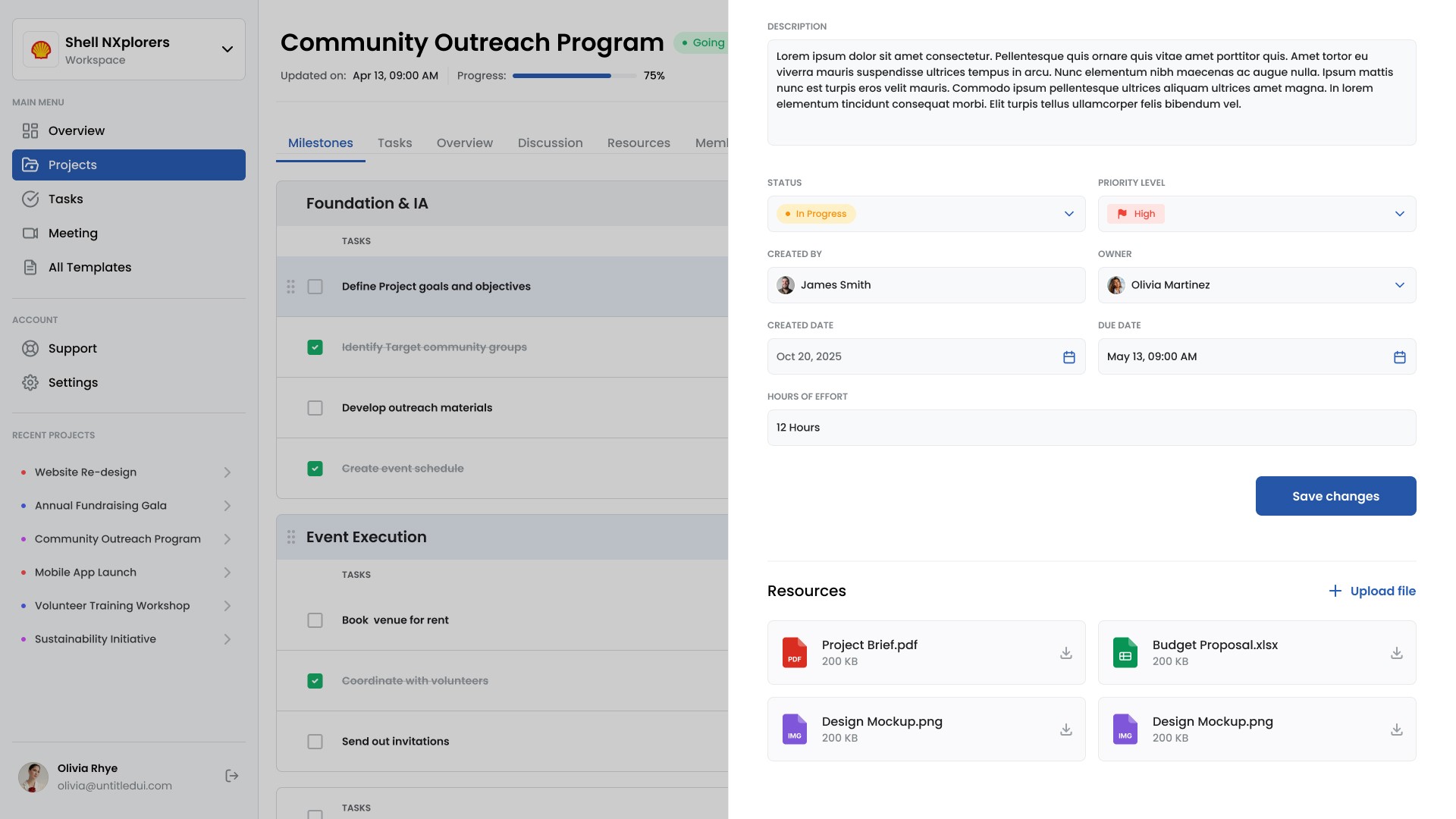
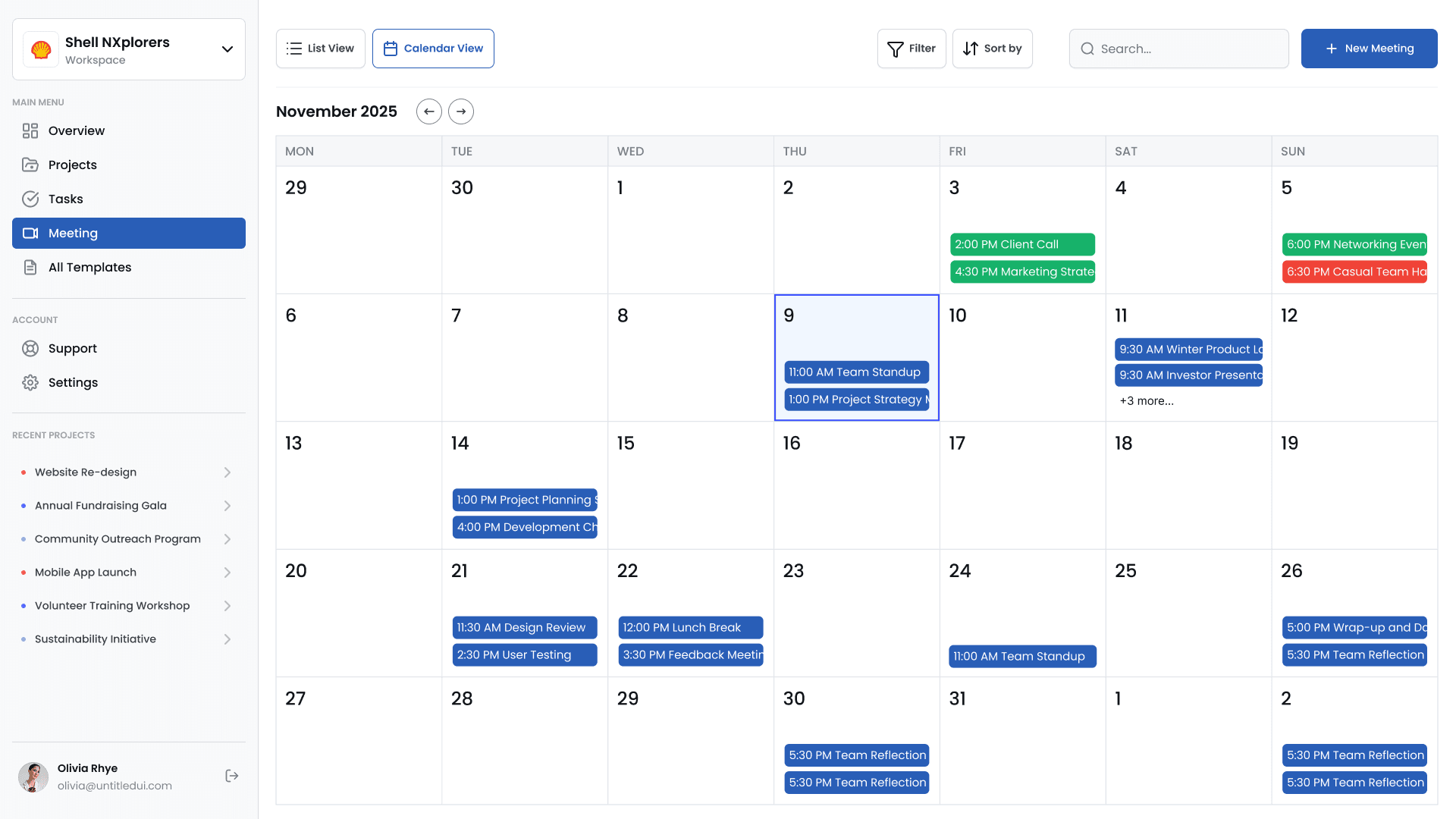
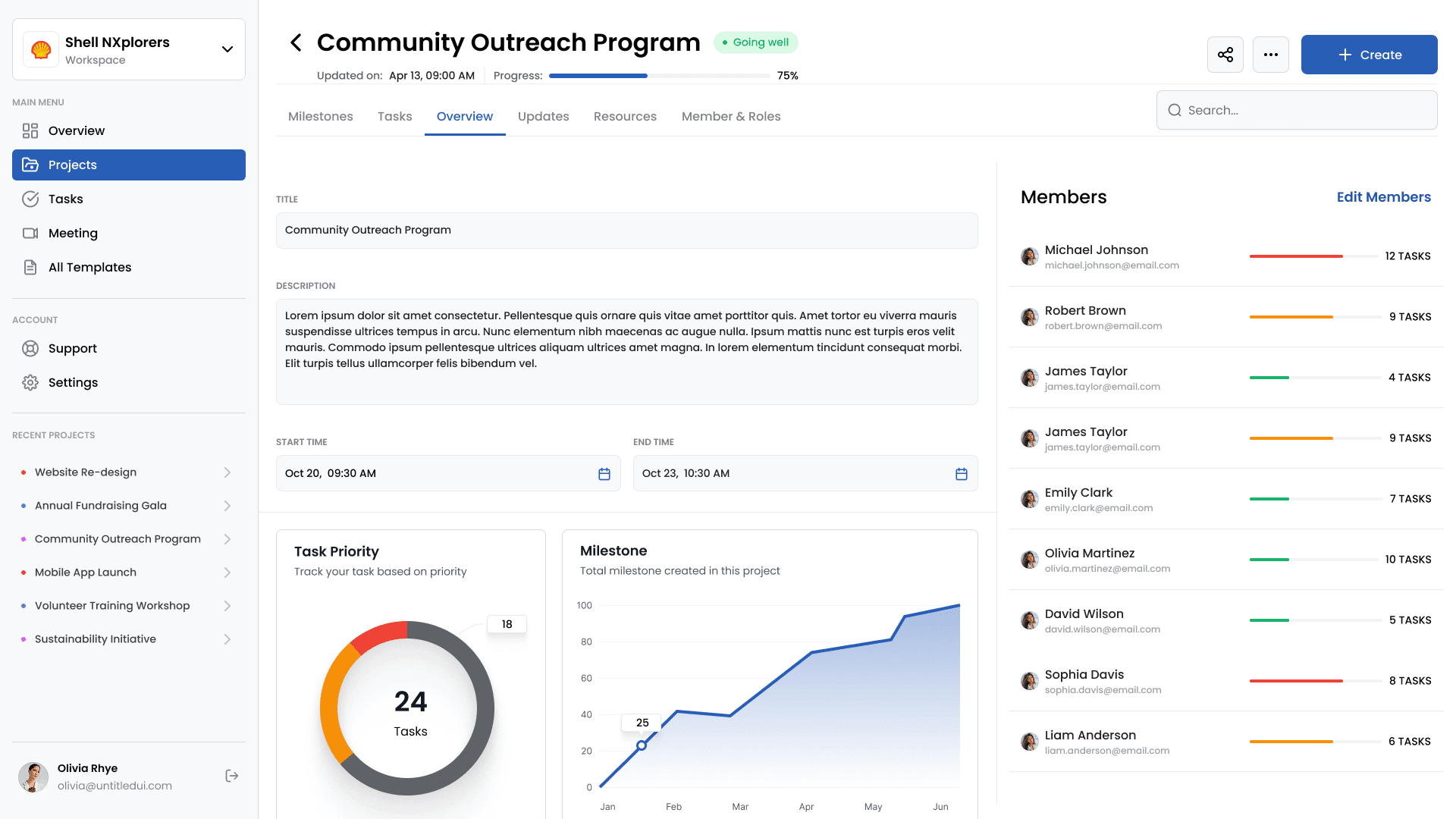
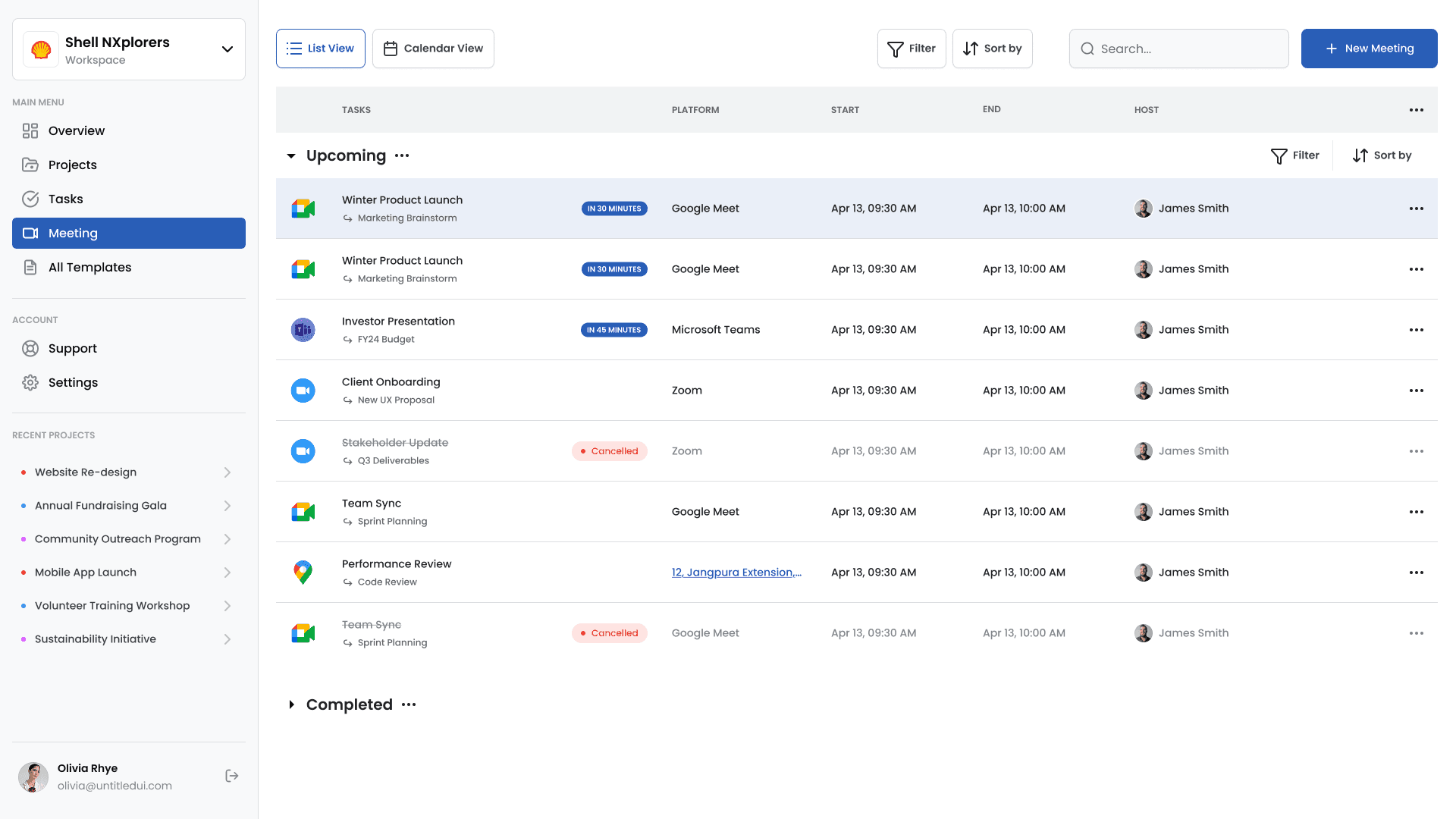
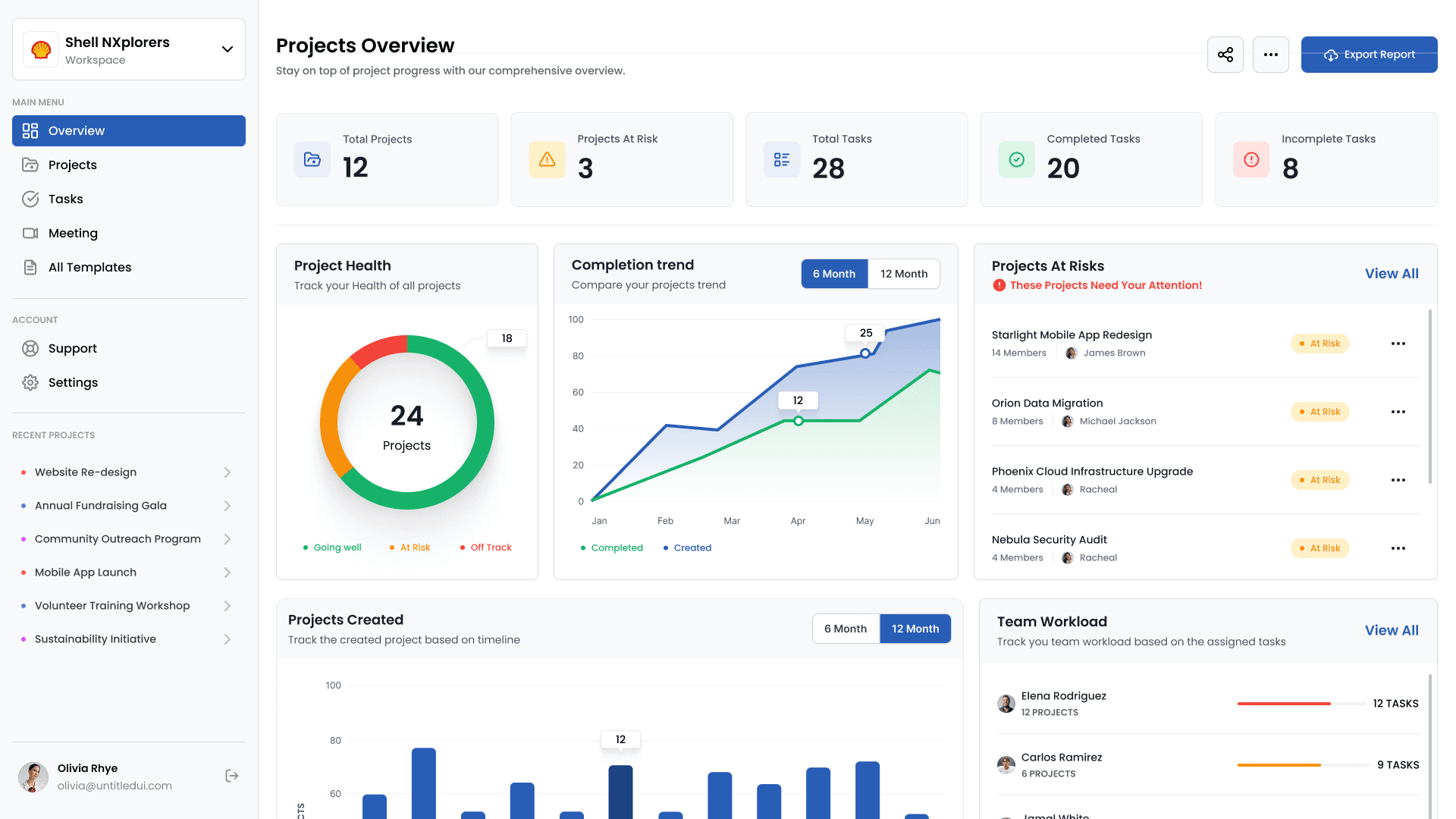
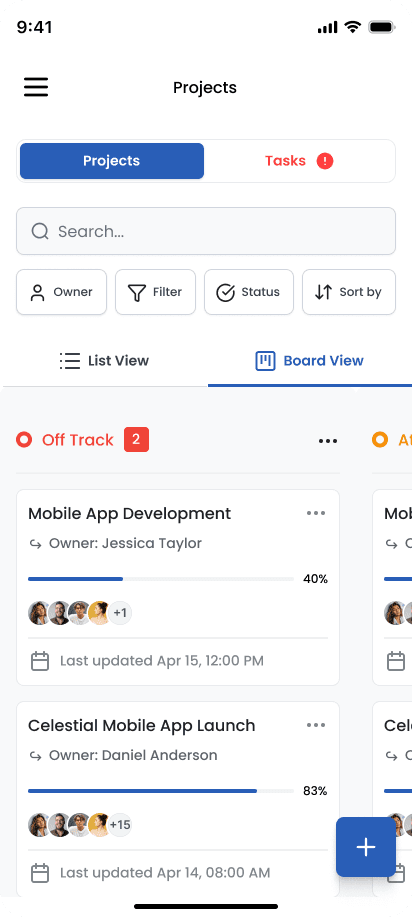
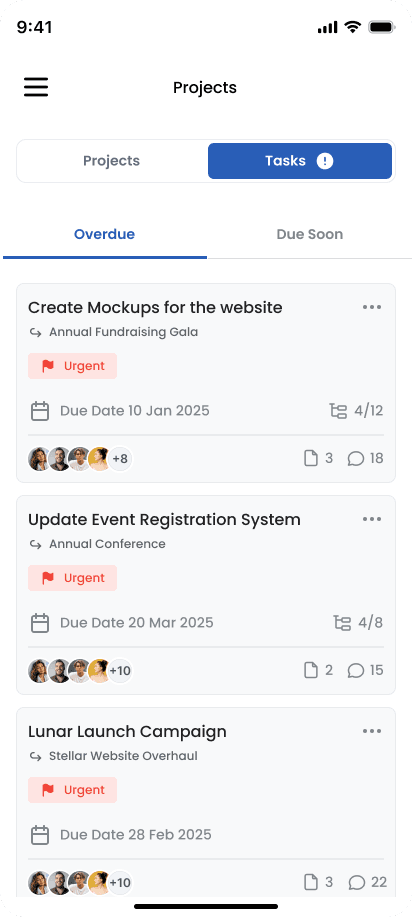
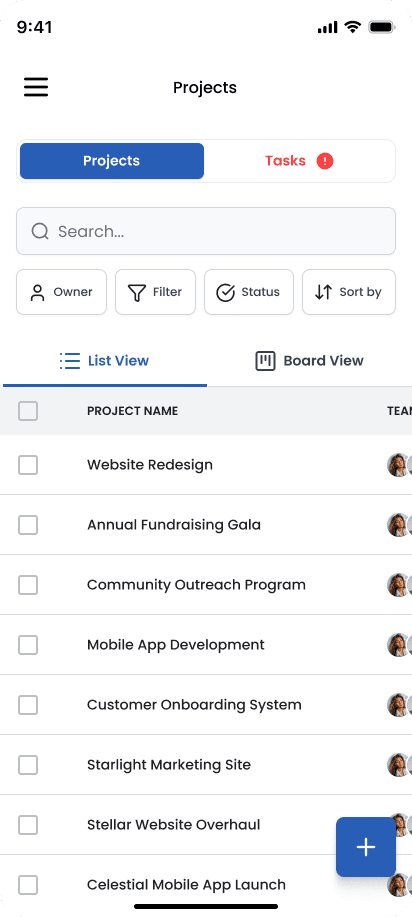
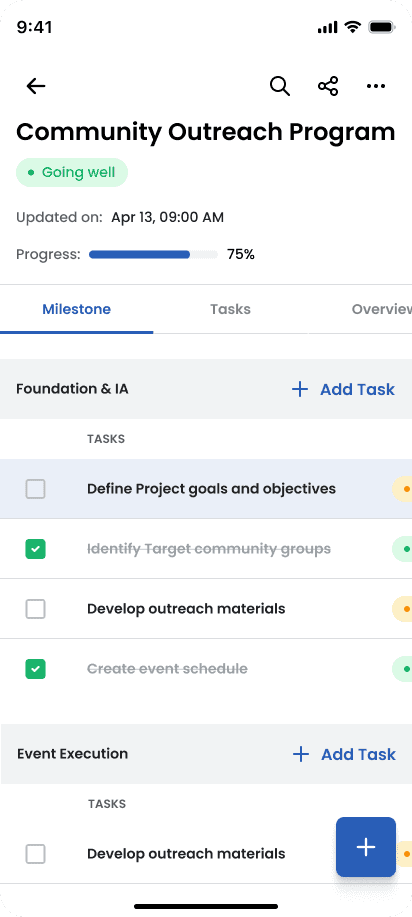
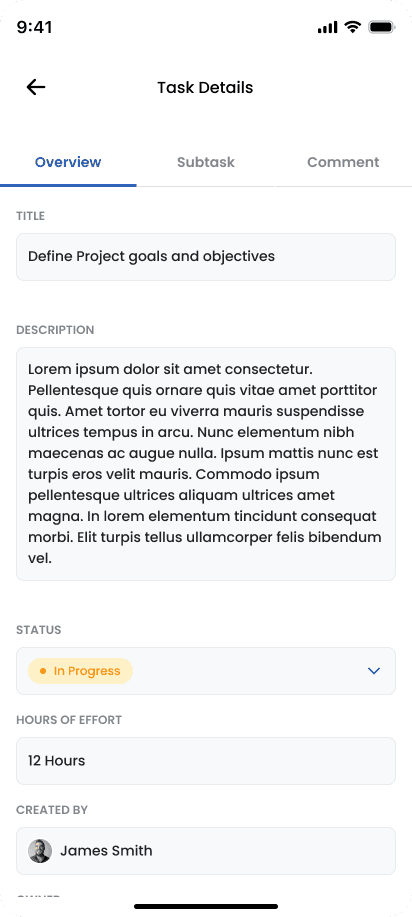
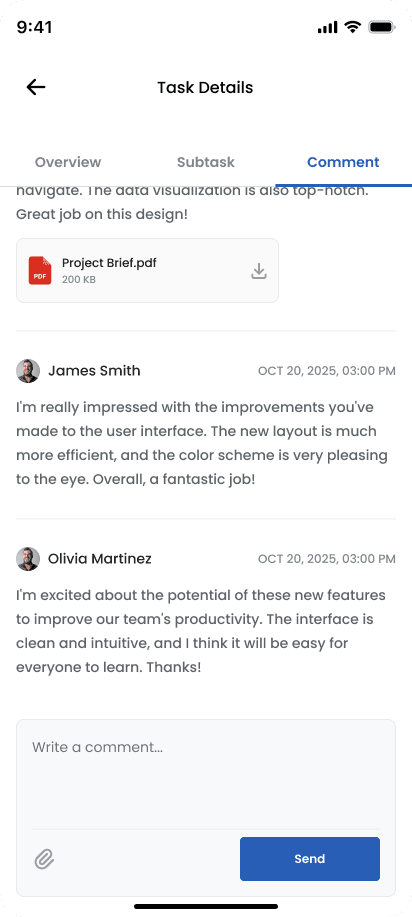
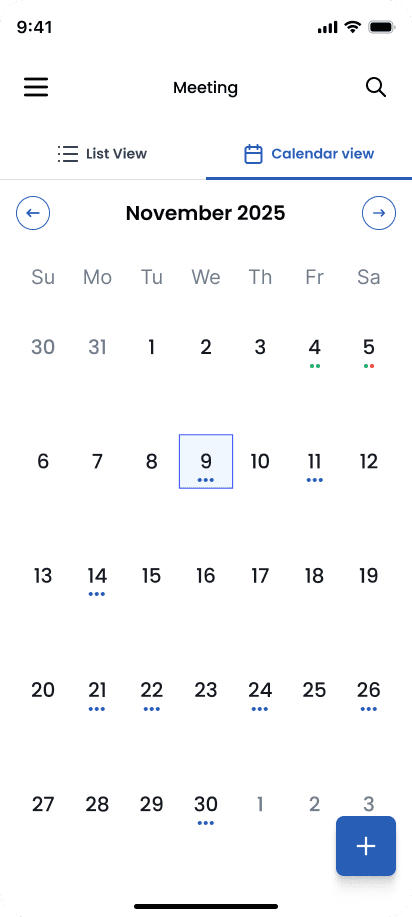
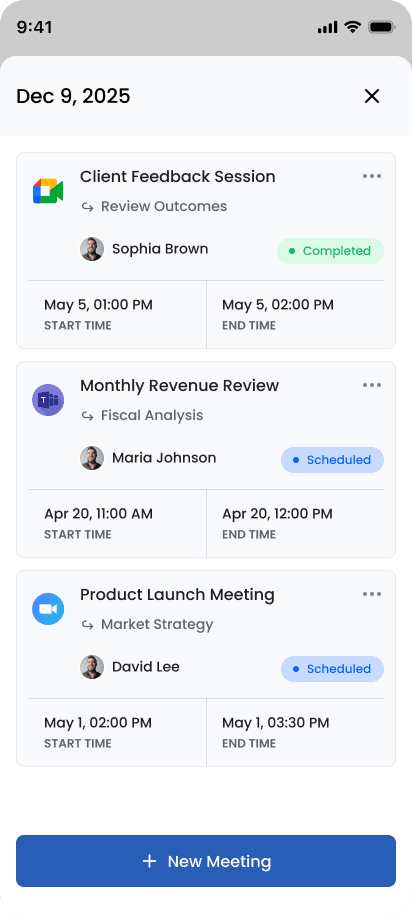
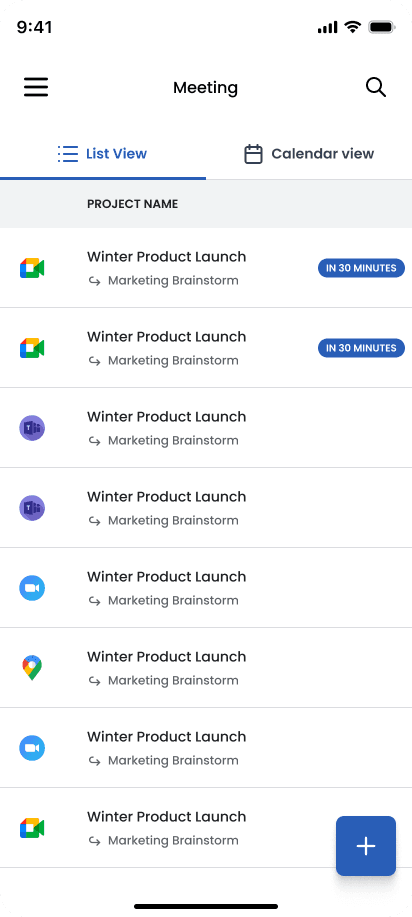
I designed an enterprise-grade interface (Kanban boards, data tables, and task details) entirely from scratch, ensuring it felt like a natural, native extension of the tools our tenants were already using.
The Building Process
Designing a complex B2B SaaS platform from scratch in one month required a highly disciplined, lean UX approach. My process was anchored in rapid discovery and scope management. Instead of reinventing the wheel, I focused on creating a seamless, native-feeling architecture that would allow our tenants to transition their fragmented workflows directly into our unified ecosystem without friction
1. Discovery & MVP Scoping
I conducted targeted research to understand tenant workflows after an opportunity was published. To meet the aggressive 4-week deadline, I ruthlessly prioritized essential features—like task assignment and volunteer tracking—discarding "nice-to-haves" to define a strict, lean MVP scope.
2. Architecture & Workflows
I mapped out the end-to-end user journey to bridge the gap between opportunity creation and volunteer management. This architecture ensured a seamless, unbroken flow from initial volunteer onboarding through to task execution and final certification within a single ecosystem.
3. Custom UI Design
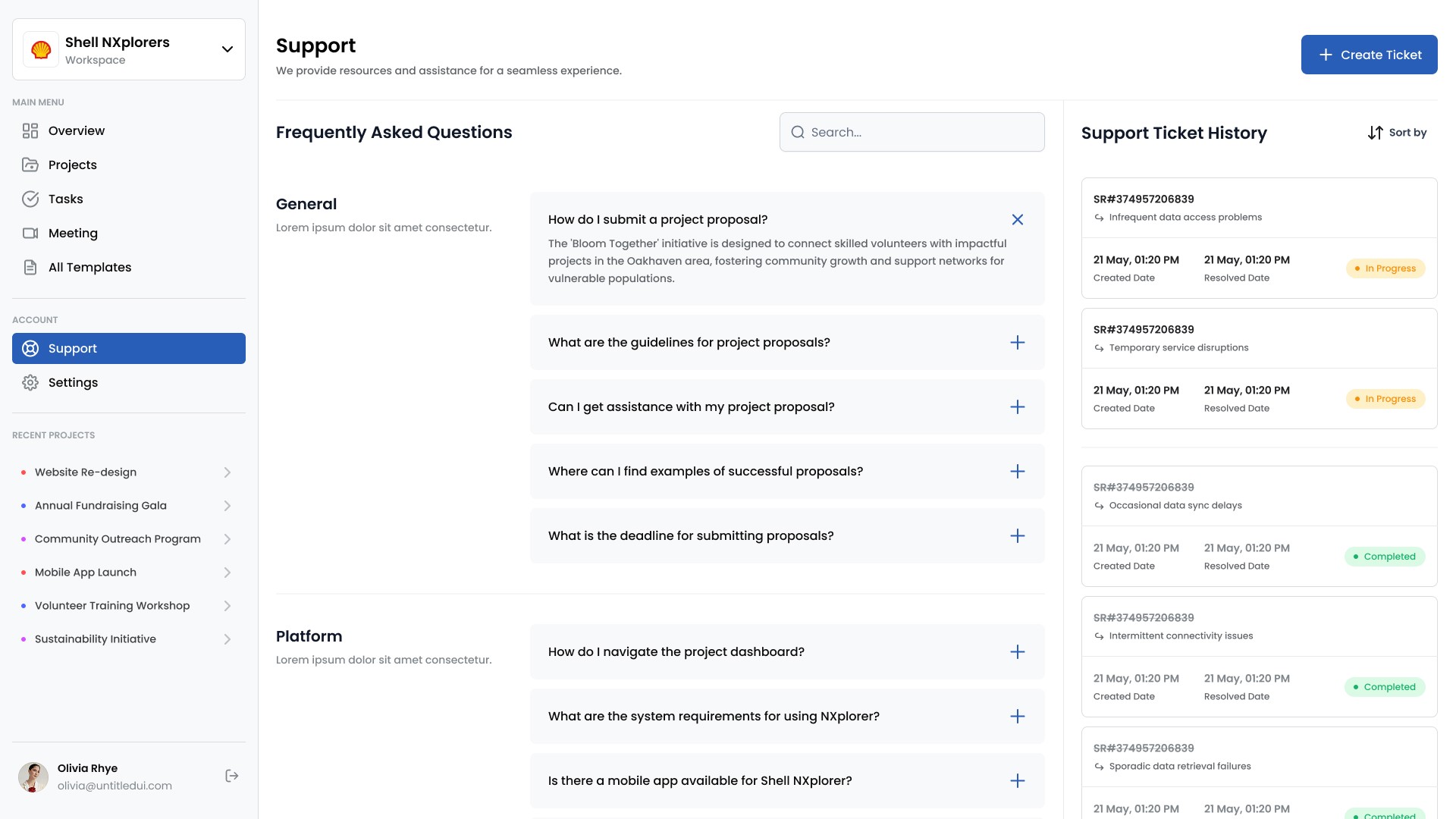
Operating without a pre-existing design system, I built essential tools from scratch and built a design system with the frequently used components. I designed complex data tables, interactive Kanban boards, and detailed task panels to handle heavy information density cleanly and intuitively.
4. Integration & Dev Handoff
I meticulously aligned the new visual language with the existing Platform Commons suite to ensure immediate familiarity for tenants. After validating the high-fidelity designs, I packaged a highly structured developer handoff to guarantee the engineering team could execute within the tight timeline.
The Outcome: Ecosystem Consolidation
The launch of the "Collaborate" MVP fundamentally changed how tenants interact with Platform Commons, turning it into a true end-to-end suite.
Seamless Adoption
Because the tool was natively integrated into the platform tenants already used, the transition was straightforward, resulting in immediate adoption
Cost & Time Efficiency
By eliminating the need for disconnected third-party software, we directly saved our clients time and subscription costs, which streamlined the process.
A Unified Lifecycle
We successfully closed the product loop. Tenants can now manage the entire volunteering ecosystem—from initial opportunity creation to final certification.
Centralized Analytics & Visibility
By keeping all volunteer and project activity within a single ecosystem, tenants gained the ability to seamlessly track event analytics and project health without having to manually aggregate data from external spreadsheets.

Reach out to me